


emergency funds.
-
why do you need an emergency fund?
There’s nothing worse than feeling confident with your budget and suddenly getting hit with an unexpected bill. Maybe your car breaks down or you have an unexpected medical issue pop up. We’ll teach how you to budget for unexpected emergency bills so your road to financial wellness isn’t derailed.
types of emergency funds

starter emergency fund
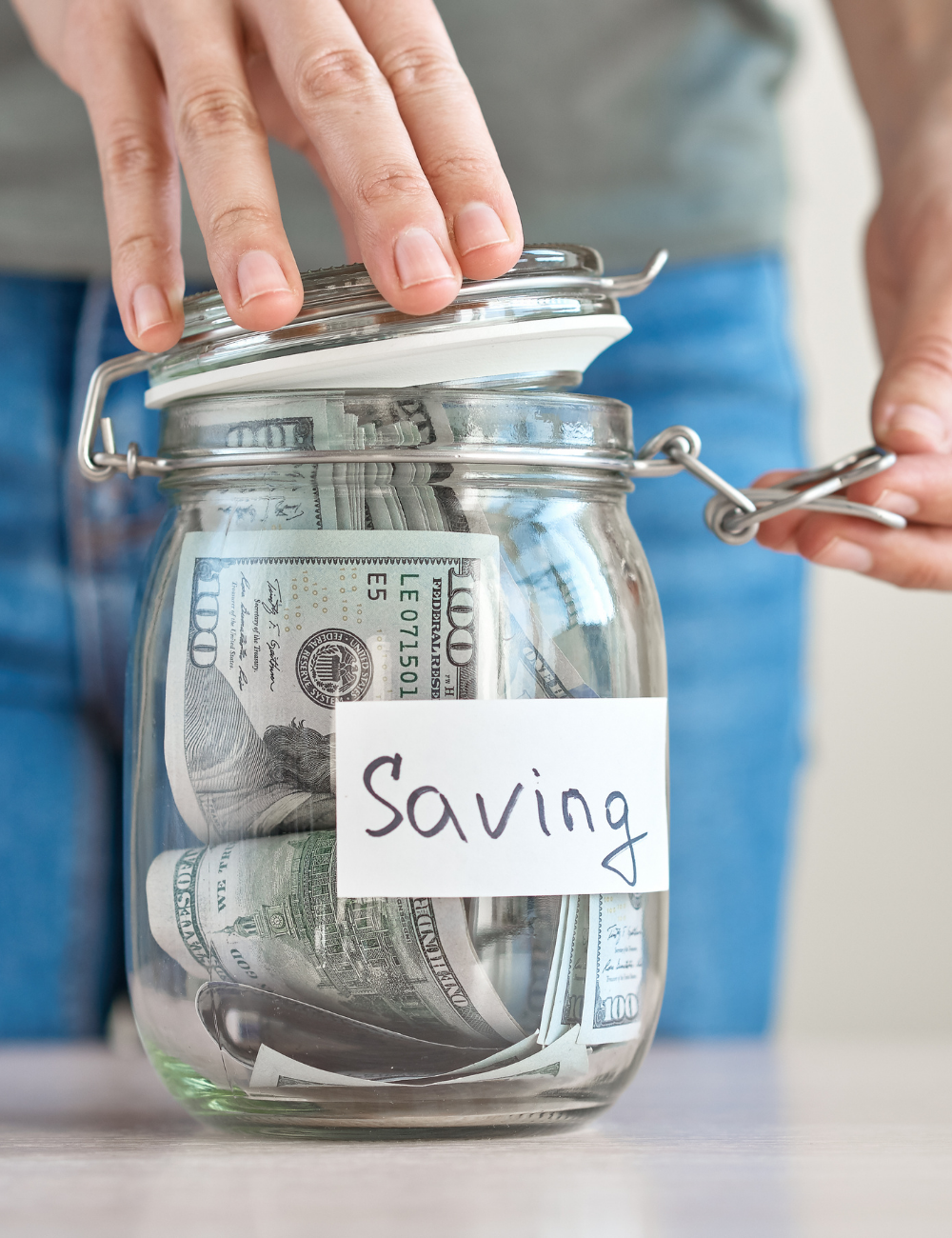
Need to start working on paying down debt? You’ll want to create your starter emergency fund first. Your goal should be to save $1000 as soon as possible. This starter emergency fund is for unexpected bills that come up, like a medical bill or car bill, that aren’t part of your monthly budget. Having your starter emergency fund ensures that you can continue to work on paying down debt without having setbacks due to unforeseen bills.
advanced emergency fund
Now let’s move onto your Advanced Emergency fund. This is where you should save for 3-6 months of expenses. The more stable your household is, the less you need in your emergency fund. For example, if you live in a single income household, you are self-employed or you rely on commission you should save for 6 months of expenses for circumstances such as a job loss or large unexpected bills. If you are in a double income household and have steady, reliable jobs, you will only need approximately 3 months of expenses as there are two incomes to rely on.